

KARAT Caviar’s aquaculture venture was launched in 1992, when members of our team – entrepreneurs and aquaculture professionals – imported Osetra sturgeon fingerlings (Acipenser gueldenstaedtii) directly from the Caspian Sea to the farm at Kibbutz Dan.
Because sturgeon is a globally protected species, it may be raised only in aquaculture facilities that comply with strict international standards, under the supervision and export regulations of the CITES Convention.
Osetra is one of the rarest sturgeon species and the source of some of the world’s finest and most prestigious caviar. The cold, pristine snowmelt waters flowing from the Dan Spring provide ideal conditions for raising sturgeon, while the farm’s environmental specialists have succeeded in refining these conditions even further.
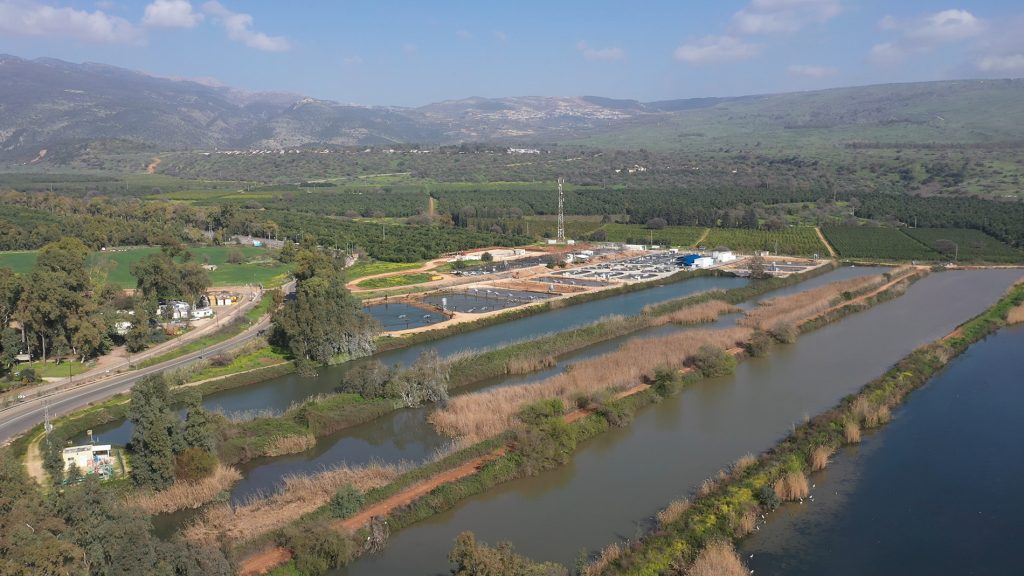
The farm is located near the Dan Spring, one of the northern headwaters of the Jordan River, fed by snowmelt flowing from the summit of Mount Hermon. The farm’s water is clean, crystal-clear and rich in oxygen, providing an abundance of nutrients that contribute to an exceptional growing environment.
At the farm, we produce a new generation of fingerlings ourselves each year in a controlled environment that surpasses the conditions of the sturgeon’s natural habitat. Meticulous care from the moment the fish hatch enables them to reach maturity earlier than they would in the wild. Raising the fish in a controlled, clean and safe environment allows us to harvest caviar from female sturgeon after approximately nine years of cultivation, ensuring consistently high quality and an exceptional flavor.
The farm’s sturgeon-breeding activity began to flourish in the early 2000s, when fishing and caviar trade in the Caspian and Black Seas were restricted and stringent import and export limitations were introduced. These developments created demand for high-quality caviar — an opportunity embraced by the management of KARAT Caviar. In 2002, the farm invested all of its resources in upgrading its production processes, successfully combining traditional sturgeon-farming methods with new technologies for breeding and cultivation. Since 2007, KARAT Caviar has exported premium products that comply with all required international food regulations.
Today, KARAT Caviar’s aquaculture farm is among the most advanced in the world, with a strong emphasis on sustainability and environmental responsibility. More than one hundred thousand sturgeon of different sizes and ages are currently raised at the farm.
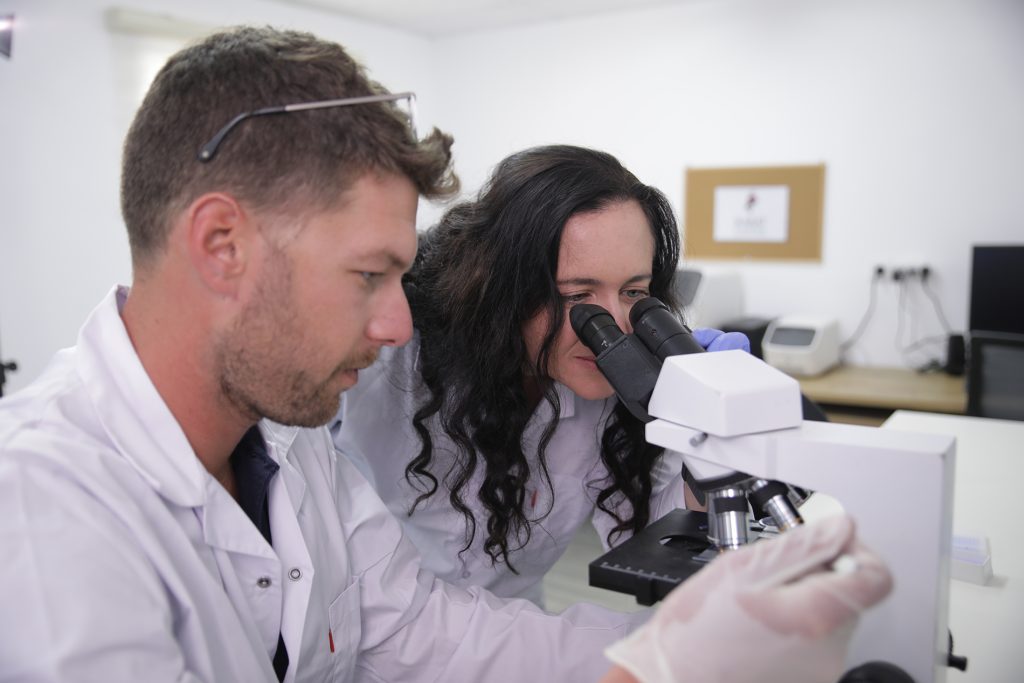
During the reproductive cycle, female sturgeon carry an average of two kilograms of roe. We monitor the development of the eggs and assess their size, quality and texture. This careful monitoring enables us to harvest the caviar at precisely the right time and at the exact stage of maturity.
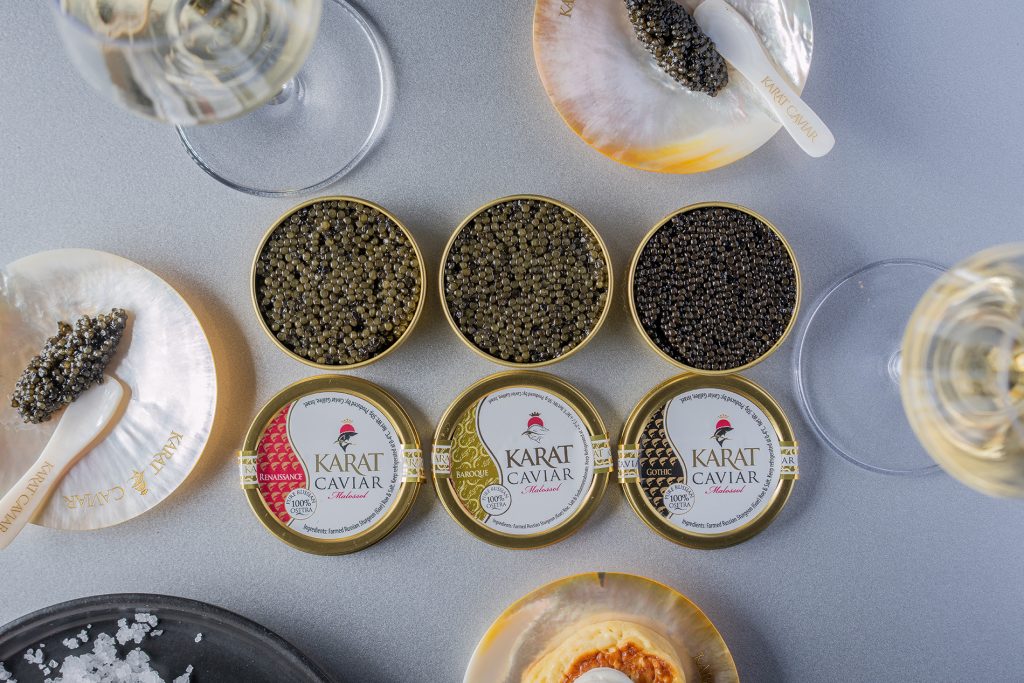
The caviar is harvested from each fish separately, so every tin contains roe from a single sturgeon only. This ensures caviar of exceptional purity, reflected in the uniformity of its size, color and flavor.
Our team of biologists oversees both the farm and the caviar-production process to ensure sustainable conditions, uncompromising quality and full compliance with all international standards and regulations.

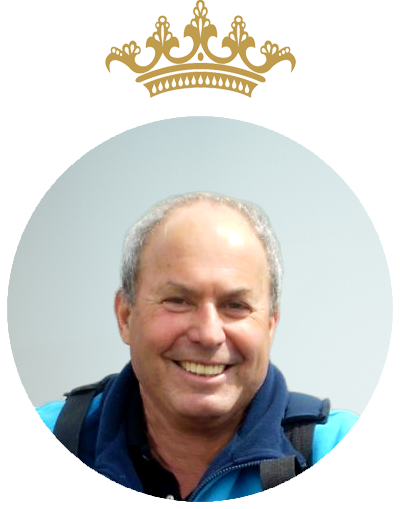
The founder and former CEO of KARAT Caviar Farm, and a global pioneer in sturgeon breeding and cultivation. Yigal was born in Kibbutz Dan and lives there with his family. After completing his degree at the Faculty of Agriculture of the Hebrew University of Jerusalem, he returned to his home kibbutz, known for its thriving fish-farming industry. Yigal conducted research and traveled the world in search of fish species capable of adapting to the Galilee's unique climatic conditions. In 1989, he began researching sturgeon, and in 1992 he brought the first sturgeon to Kibbutz Dan, establishing one of the world's first aquaculture farms dedicated to sturgeon cultivation.
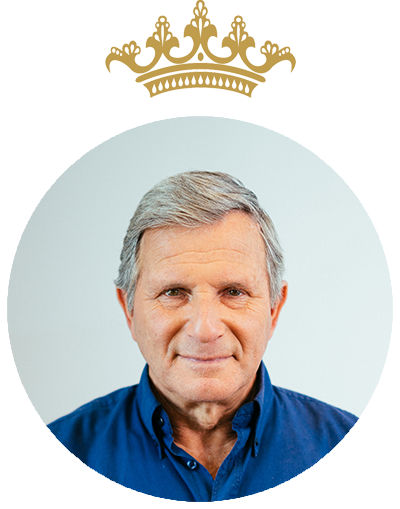
The biologist of KARAT Caviar Farm for the past thirty years. He was born in Dan in 1948 and lives in the kibbutz with his family. Dr. Horowitz leads the farm's research and development and is responsible for fish health, reproduction and nutrition. In recent years, he has led several research and development projects, including work on DNA markers for the early identification of the sex of sturgeon fingerlings.